
When selling on Amazon, writing compelling and SEO-friendly product descriptions is essential for higher rankings, better conversions, and increased sales. Amazon’s A9 algorithm determines product visibility based on relevance, keywords, and sales performance. In this guide, we’ll cover the best practices for writing Amazon product descriptions that are optimized for both search engines and customers.

1. Understand Amazon’s Search Algorithm (A9)
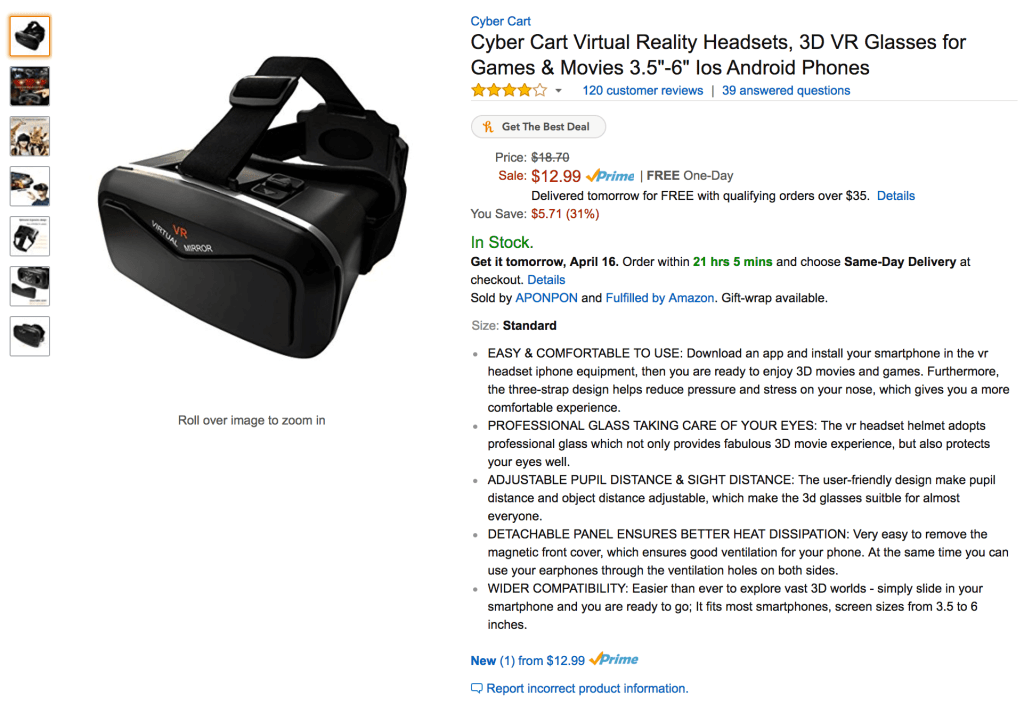
Amazon’s A9 algorithm prioritizes listings based on keywords, sales velocity, and relevance. Unlike Google, which focuses on external content, Amazon optimizes for purchase intent. To rank higher, your product description must include:
- Relevant Keywords: Identify high-ranking keywords related to your product.
- Bullet Points & Structure: Use clear and scannable text.
- Conversion-Driven Copy: Engage customers with persuasive language.
- Backend Keywords: Use hidden search terms in Amazon’s backend fields.
2. Optimize Your Product Title
The product title is the most important element for SEO on Amazon. It should be clear, informative, and contain essential keywords. Here’s the ideal format:
✅ Brand Name + Primary Keyword + Key Feature + Size/Quantity
Example:
❌ Bad Title: Bluetooth Speaker
✅ Optimized Title: Bose Portable Bluetooth Speaker – Waterproof, 12-Hour Battery, Deep Bass – Black
Best Practices:
- Use 80-200 characters (within Amazon’s limit).
- Include the brand name and key product features.
- Use relevant keywords naturally.
- Avoid excessive punctuation, all caps, or keyword stuffing.
3. Craft Compelling Bullet Points
The bullet points section highlights key product features and benefits. It’s critical for both SEO and conversions.
✅ Example Format: ✔️ [Feature] + [Benefit] + [Supporting Detail]
Example for a Smartphone Case:
✅ Ultra-Slim & Lightweight – Designed for a snug fit, adding minimal bulk while protecting your phone. ✅ Shockproof Protection – Reinforced corners absorb shocks, preventing damage from drops. ✅ Precision Cutouts – Full access to buttons, ports, and camera without removing the case.
Best Practices:
- Use 5 bullet points (Amazon’s standard limit).
- Highlight unique selling points (USPs).
- Use clear and concise sentences.
- Include important keywords organically.
- Focus on benefits rather than just features.
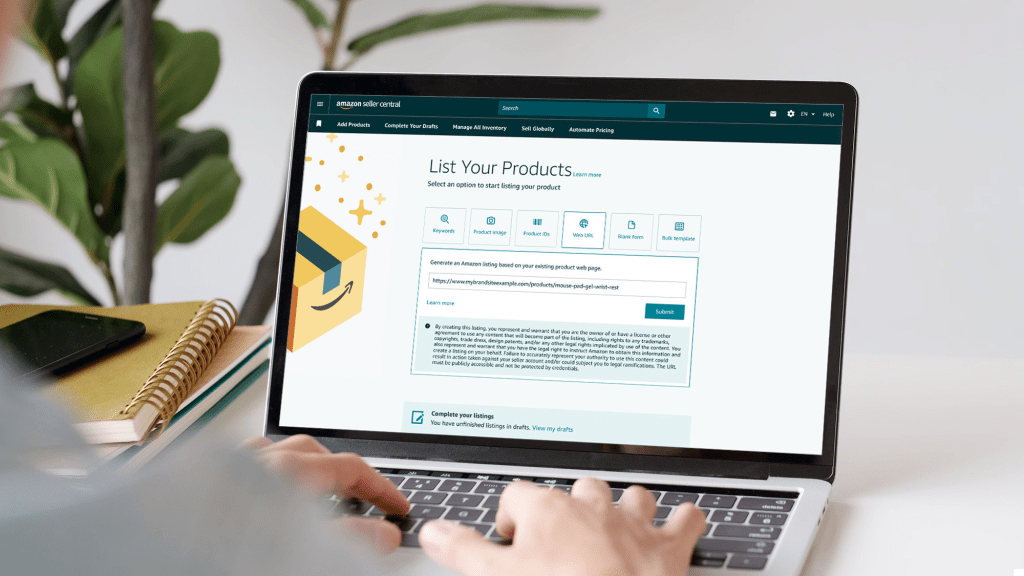
4. Write a Persuasive Product Description
The product description is where you tell your brand’s story and persuade potential buyers. Use engaging, keyword-rich content to boost SEO and conversions.
Best Practices:
✔ Start with a compelling hook – Capture attention immediately. ✔ Use bullet points or short paragraphs – Easy to read and scannable. ✔ Incorporate secondary keywords – Improve visibility. ✔ Use power words – “Durable,” “Premium Quality,” “Game-Changer,” etc. ✔ Include a Call to Action (CTA) – Encourage purchase.
Example Product Description:
🚀 Elevate Your Music Experience with the Bose Bluetooth Speaker. Featuring deep bass, waterproof protection, and 12-hour battery life, this speaker is perfect for parties, travel, or relaxing at home. Built with advanced sound technology, enjoy crystal-clear audio anywhere, anytime. Order now and take your music anywhere! 🎶
5. Use High-Performing Keywords (Without Keyword Stuffing)
Keywords are the backbone of Amazon SEO. Use tools like Helium 10, Jungle Scout, or Amazon’s auto-suggest to find relevant keywords.
✅ Primary Keywords: The main search term buyers use. ✅ Long-Tail Keywords: More specific phrases with lower competition. ✅ Backend Keywords: Hidden search terms added in Seller Central.
Example:
- Primary Keyword: Wireless Earbuds
- Long-Tail Keyword: Noise-Canceling Wireless Earbuds for Running
- Backend Keywords: Bluetooth headphones, waterproof earbuds, best earbuds for gym
Tip: Avoid repeating the same keyword multiple times—Amazon’s algorithm already recognizes variations.
6. Leverage Enhanced Brand Content (EBC) or A+ Content
If you’re a brand-registered seller, you can use Enhanced Brand Content (EBC) or A+ Content to make your product page more engaging.
✔ High-quality images & infographics to enhance visual appeal. ✔ Comparison charts to showcase product advantages. ✔ Storytelling approach to build brand trust. ✔ Keyword-rich yet engaging content.
EBC/A+ Content not only improves conversions but also reduces return rates.
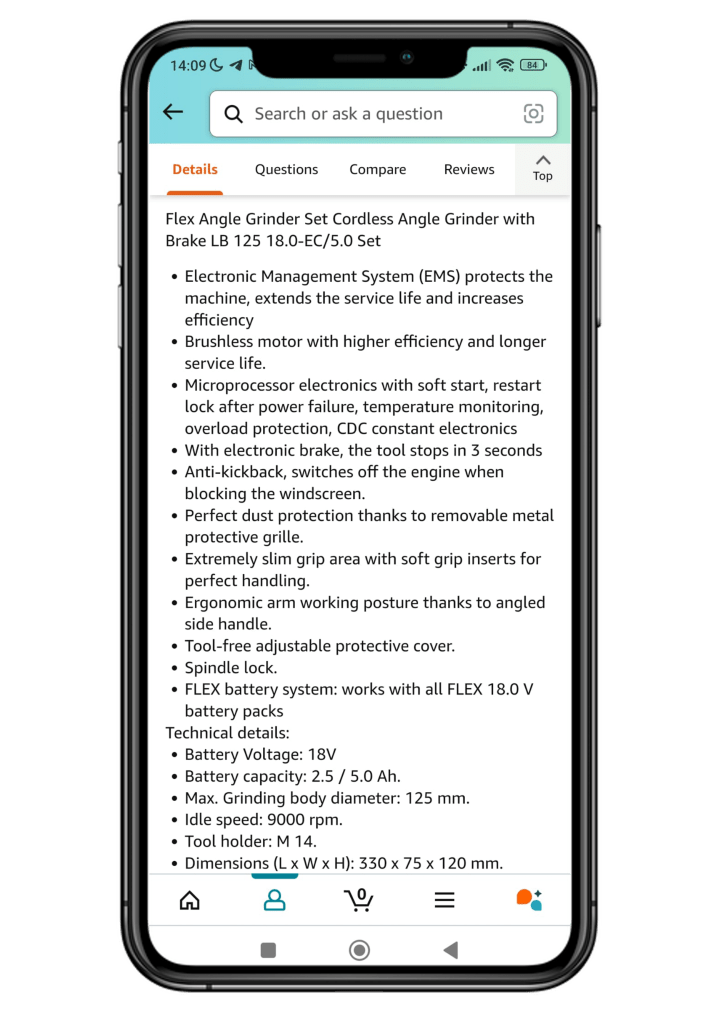
7. Optimize for Mobile Users
Since over 60% of Amazon shoppers use mobile devices, ensure your description is mobile-friendly:
📱 Keep bullet points short (Avoid text-heavy content). 📱 Use simple formatting (No complex sentences). 📱 Ensure images are high-quality and optimized for mobile screens.
8. Add High-Quality Images & Videos
🔹 Amazon allows up to 7 images and videos—make the most of them! 🔹 Use professional, high-resolution images with white backgrounds. 🔹 Showcase multiple angles, close-ups, and product use cases. 🔹 Lifestyle images help customers visualize using the product.
Tip: If possible, add a 360-degree view or product demo video for higher engagement.
Final Thoughts
Writing an SEO-friendly product description for Amazon requires a balance between keyword optimization and persuasive copywriting. By implementing these strategies, you can improve product visibility, increase conversions, and boost sales.
🔹 Start with a compelling title. 🔹 Use structured bullet points for clarity. 🔹 Write an engaging, keyword-rich product description. 🔹 Leverage backend keywords and A+ Content. 🔹 Optimize for mobile and use high-quality visuals.
Following these steps will give your product the best chance to rank higher in search results and attract more buyers. 🚀💰


 Techpadd
Leave a comment