
In the world of e-commerce, choosing the right platform is crucial for success. Two of the most popular platforms are Amazon and Shopify—each catering to different business needs. If you’re an entrepreneur looking to sell products online, understanding the pros and cons of each platform can help you make an informed decision. Let’s break down the key differences, benefits, and challenges of Amazon and Shopify.
Amazon vs. Shopify: A Quick Overview
| Feature | Amazon | Shopify |
|---|---|---|
| Business Model | Marketplace | Standalone Store |
| Ease of Use | Easy setup, but competitive | Requires setup, but full control |
| Customization | Limited | Highly customizable |
| Fees & Costs | Referral fees, fulfillment fees | Monthly subscription, transaction fees (unless using Shopify Payments) |
| Traffic Source | Built-in audience | Requires marketing efforts |
| Brand Control | Limited branding | Full brand control |
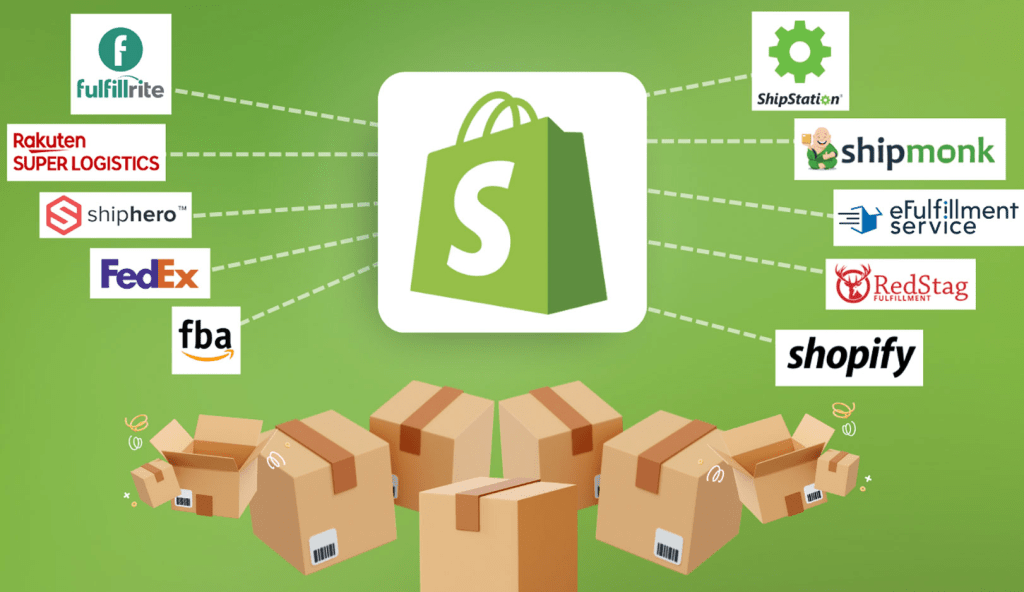
| Fulfillment Options | FBA (Fulfillment by Amazon) | Shopify Fulfillment or third-party services |
Now, let’s dive deeper into each platform.
Amazon: Pros & Cons
Amazon is the largest online marketplace in the world, offering a ready-made customer base. However, selling on Amazon means you’re competing with millions of other sellers.
Pros of Selling on Amazon:
- Huge Customer Base: Over 300 million active users, providing immediate exposure.
- Trust & Credibility: Amazon’s reputation boosts customer confidence.
- Logistics & Fulfillment: FBA (Fulfillment by Amazon) handles storage, shipping, and customer service.
- Easy Setup: Sellers can list products quickly without worrying about web development.
- Amazon Advertising: Built-in PPC campaigns to drive sales.

Cons of Selling on Amazon:
- High Competition: Thousands of sellers compete for the same audience.
- Fees & Commissions: Amazon charges referral fees (8-15%) and FBA costs.
- Limited Branding: Amazon controls the customer relationship, not the seller.
- Strict Policies: Sellers must follow Amazon’s guidelines, which can lead to account suspension for minor violations.
- Lack of Customer Data: Amazon owns the customer relationship, limiting access to buyer details.
Shopify: Pros & Cons
Shopify is a robust e-commerce platform that allows businesses to create their own online store with full control over branding and marketing.
Pros of Using Shopify:
- Complete Control: Customize your store’s design, branding, and marketing strategy.
- No Selling Fees: Unlike Amazon, Shopify doesn’t take a percentage of sales (except transaction fees if not using Shopify Payments).
- Customer Relationship Management: Sellers own customer data for remarketing and email campaigns.
- Scalability: Shopify’s app ecosystem allows businesses to expand with features like dropshipping, subscriptions, and analytics.
- SEO & Marketing Flexibility: Sellers can optimize their website for search engines and integrate social media marketing.
Cons of Using Shopify:
- Requires Marketing Efforts: Unlike Amazon, Shopify stores don’t come with built-in traffic.
- Subscription Costs: Plans range from $29 to $299 per month, plus potential transaction fees.
- Website Management: Business owners need to manage hosting, security, and updates.
- Longer Time to Get Sales: Shopify stores require SEO and paid ads to attract customers.
Amazon vs. Shopify: Which One Should You Choose?
Choose Amazon If:
- You want quick access to millions of customers.
- You don’t want to deal with website management.
- You prefer Amazon’s fulfillment services (FBA).
- You’re okay with high competition and limited branding.
Choose Shopify If:
- You want full control over branding, marketing, and customer experience.
- You plan to build a long-term business and customer loyalty.
- You’re willing to invest in digital marketing (SEO, social media, PPC).
- You prefer lower selling fees and direct customer data.
Best Strategy? Use Both!
Many successful businesses use a hybrid strategy—selling on Amazon for high visibility and leveraging Shopify for branding and customer retention. Amazon can act as a lead generator, while Shopify helps establish long-term brand value.

Final Verdict
Both Amazon and Shopify offer unique advantages, and the best choice depends on your business goals. Amazon is ideal for quick sales and a broad audience, while Shopify is perfect for brand-building and long-term growth.
If you’re serious about e-commerce, consider using both platforms strategically to maximize your reach and revenue.

 Techpadd
Leave a comment