
YouTube monetization is a great way to earn money from your content, but understanding the latest rules is crucial. In 2025, YouTube has updated its monetization policies to help creators maximize their earnings while maintaining high-quality content. Here’s a complete breakdown of YouTube’s monetization rules and how you can qualify for the YouTube Partner Program (YPP).
1. Eligibility Requirements for Monetization
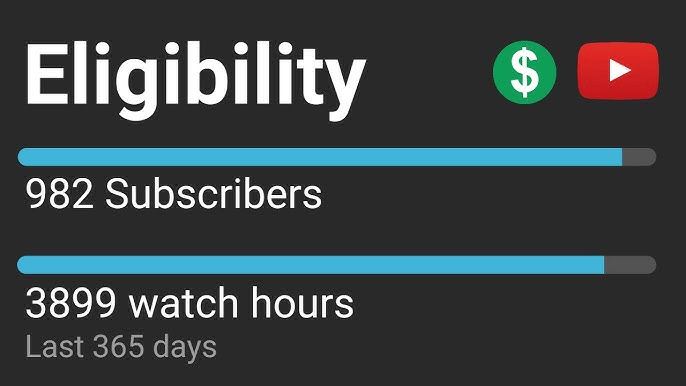
To join the YouTube Partner Program (YPP), creators must meet the following criteria:
Standard Monetization Requirements:
- 1,000 subscribers
- 4,000 watch hours in the past 12 months OR 10 million YouTube Shorts views in the past 90 days
- Adherence to YouTube’s community guidelines and monetization policies
- Two-step verification enabled on your Google account
- No active community guidelines strikes
New Lower-Tier Monetization Requirements (Introduced in 2024-25)
YouTube now offers early access to monetization features with fewer requirements:
- 500 subscribers
- 3,000 watch hours in the past 12 months OR 3 million Shorts views in the past 90 days
- Limited access to Super Thanks, Super Chats, and Channel Memberships
2. Ways to Make Money on YouTube
Once you qualify for monetization, you can earn revenue through various sources:
Ad Revenue
- Earn money from ads shown before, during, and after your videos.
- Ad types include display ads, skippable/non-skippable ads, and bumper ads.
- Earnings depend on CPM (Cost Per Mille) and RPM (Revenue Per Mille).
YouTube Shorts Monetization
- Shorts creators earn ad revenue from the YouTube Shorts Ad Revenue Pool.
- Revenue is distributed based on total Shorts views and engagement.
- Monetization applies to Shorts that comply with YouTube’s policies.
YouTube Premium Revenue
- Earn a share of YouTube Premium subscribers’ fees when they watch your videos.
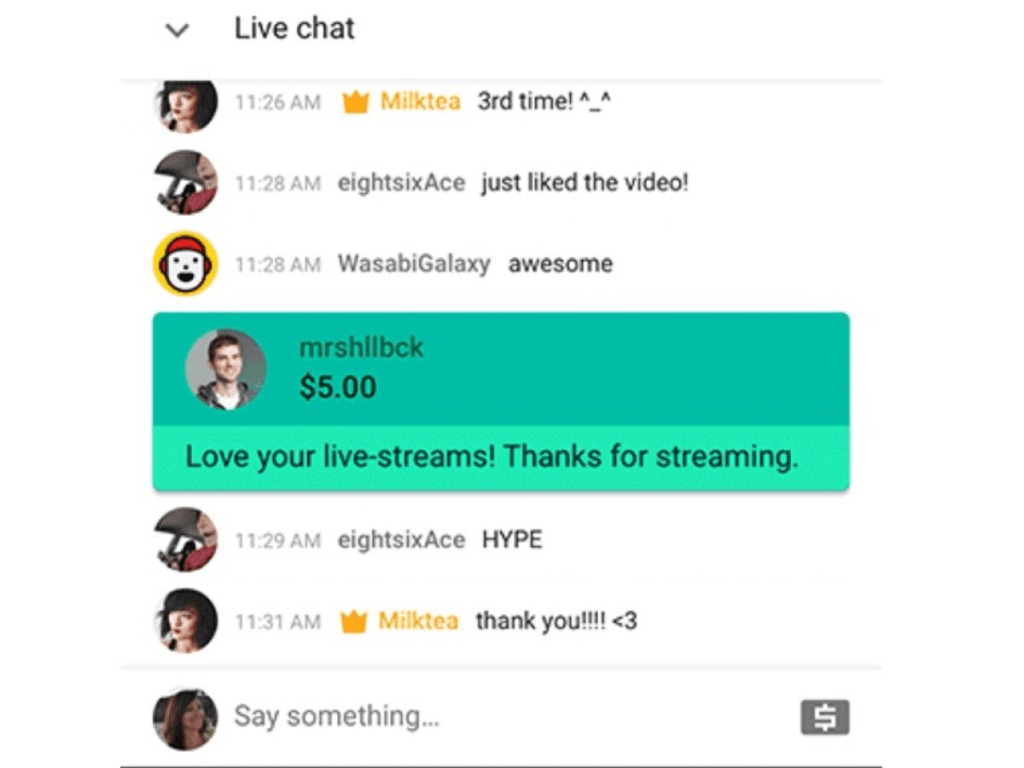
Super Chats & Super Stickers
- Viewers can pay for highlighted messages during live streams.
- Super Stickers allow fans to send animated stickers during streams.
Channel Memberships
- Creators can offer exclusive content and perks for paid subscribers.
- Membership tiers range from $0.99 to $49.99 per month.
Merch Shelf
- Sell branded merchandise directly under your YouTube videos.
- Available to channels with 10,000+ subscribers.
YouTube Brand Partnerships
- Collaborate with brands for sponsored videos.
- Ensure compliance with YouTube’s branded content policies.
3. Content Guidelines for Monetization
Not all content is eligible for ads. YouTube enforces strict monetization guidelines:
Types of Content That May Get Limited or No Ads:
- Harmful or dangerous content (violence, self-harm, misleading medical advice)
- Controversial topics (politics, sensitive world events, tragedies)
- Excessive profanity (some mild language is allowed)
- Sexually suggestive content
- Reused or repetitive content (AI-generated videos with no value, excessive stock footage)
Creators must self-certify their content for ad-friendliness before publishing.
4. YouTube’s New AI-Generated Content Policies (2025 Update)
With the rise of AI-generated content, YouTube has introduced stricter rules:
- AI-generated videos must disclose automation.
- Low-quality AI content with no human effort may be demonetized.
- Deepfake videos of real people require explicit permission.
5. How to Apply for Monetization
Once you meet the requirements, follow these steps to apply:
- Go to YouTube Studio > Monetization.
- Click Apply Now.
- Accept YouTube’s Partner Program terms.
- Set up an AdSense account (if you don’t have one).
- Wait for YouTube’s review (typically takes a few weeks).
6. Common Reasons for Monetization Rejection
If your application is denied, it could be due to:
- Copyright violations (using music or clips without permission)
- Reused content (compilation videos, stock footage without commentary)
- Misleading or spammy content
- Engagement manipulation (fake views, bot subscribers)
Creators can reapply after 30 days with necessary improvements.
7. Maximizing Your YouTube Earnings
To increase revenue, focus on:
- SEO Optimization: Use high-ranking keywords in your titles, descriptions, and tags.
- Audience Engagement: Encourage likes, comments, and shares.
- Longer Watch Time: Create engaging content to boost ad revenue.
- Multiple Revenue Streams: Combine ads, memberships, Super Chats, and sponsorships.
Final Thoughts
YouTube’s 2025 monetization rules offer more opportunities for creators while enforcing stricter content guidelines. By understanding and following these rules, you can grow your channel and start earning money effectively.
 Techpadd
Leave a comment