
Facebook remains a powerhouse for businesses looking to build an online presence. However, choosing between a Facebook Page and a Facebook Group can be challenging. Both serve different purposes and can significantly impact your engagement, brand awareness, and marketing strategy. In this blog, we’ll break down the differences between Facebook Groups and Pages to help you decide which one is better for your business.

What is a Facebook Page?
A Facebook Page is a public profile created for businesses, brands, influencers, and organizations. It allows businesses to share updates, interact with followers, and run paid ads.
Pros of Facebook Pages:
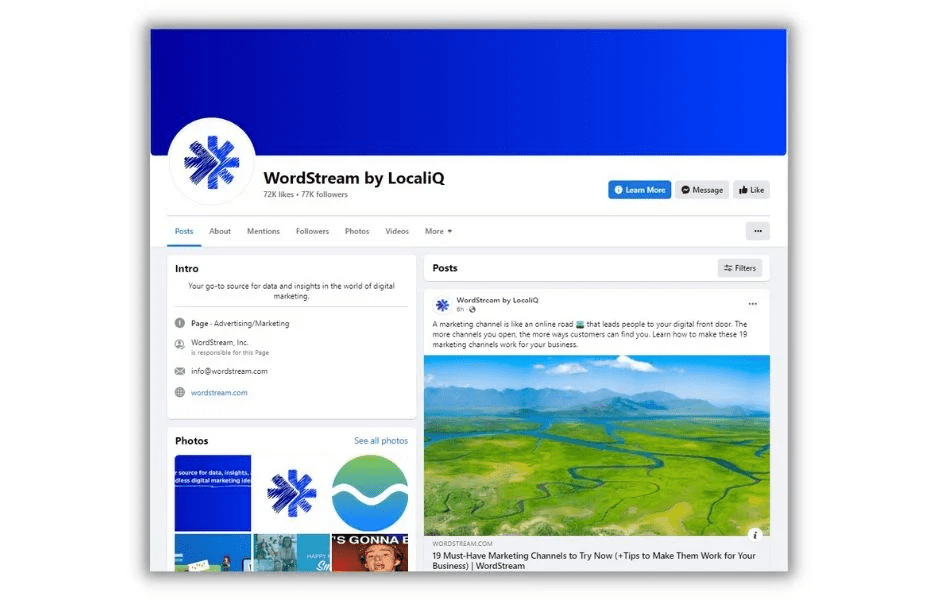
- Public Visibility: Pages are visible to everyone and can be easily found via search engines.
- Professional Branding: Businesses can customize their pages with logos, cover photos, and business information.
- Advertising Capabilities: Pages allow businesses to run paid ads to target specific audiences.
- Analytics & Insights: Access to Facebook Insights helps track engagement, audience demographics, and post performance.
- Customer Service: Users can message businesses directly via Messenger.
Cons of Facebook Pages:
- Lower Organic Reach: Facebook’s algorithm limits the organic reach of business pages unless posts receive high engagement or are boosted through ads.
- Less Community Interaction: Pages focus more on broadcasting content rather than fostering discussions.
- Difficult to Build Engagement: Users are less likely to interact unless prompted by engaging content.
What is a Facebook Group?
A Facebook Group is a community where people with shared interests can discuss topics, ask questions, and engage in meaningful conversations.
Pros of Facebook Groups:
- Higher Engagement: Facebook prioritizes group posts in the news feed, making them more visible to members.
- Stronger Community Building: Groups foster a sense of belonging and encourage discussions.
- Organic Reach: Unlike Pages, Groups see better organic reach as posts appear more frequently in members’ feeds.
- Private or Public Options: You can create private, invite-only groups or public groups to control membership and discussions.
- Less Reliance on Ads: Since engagement is higher, businesses don’t need to rely as much on paid advertising.
Cons of Facebook Groups:
- Limited Branding Opportunities: Groups focus more on discussions than brand promotion.
- No Advertising Features: Unlike Pages, Groups do not support Facebook Ads.
- Time-Intensive: Managing and moderating a group requires consistent effort to keep discussions active and relevant.
Facebook Pages vs. Groups: Which One is Better for Business?
The choice depends on your business goals. Here’s a comparison based on different objectives:
| Factor | Facebook Page | Facebook Group |
|---|---|---|
| Visibility | Public & searchable | Can be public or private |
| Engagement | Lower organic reach | Higher engagement |
| Brand Promotion | Strong branding options | Limited branding |
| Advertising | Supports Facebook Ads | No ad capabilities |
| Community Building | Less interaction | Strong community feel |
| Time Investment | Less time-consuming | Requires active moderation |
When to Use a Facebook Page:
- You want to establish a professional presence and run ads.
- You need analytics and insights to track performance.
- You prefer a more passive management approach.
- You plan to use Messenger for customer service.
When to Use a Facebook Group:
- You want to create an engaged community around your brand.
- You prefer organic discussions over one-way broadcasting.
- You want members to contribute and interact regularly.
- You don’t need advertising capabilities.
The Best Strategy: Use Both!
For many businesses, the ideal approach is to have both a Facebook Page and a Group. Use your Page for professional branding and advertising while leveraging a Group to foster a strong community. By combining both, you can maximize visibility, engagement, and long-term customer relationships.
Final Thoughts
Facebook Groups and Pages each offer unique advantages. Your choice should align with your business goals, audience engagement needs, and marketing strategy. Whether you choose one or both, maintaining consistency and providing value is key to success.
Need help optimizing your Facebook strategy? Let us know, and we’ll guide you in growing your online presence effectively!

 Techpadd
Leave a comment