
Netflix has revolutionized the way we watch movies and TV shows, and a big part of its success comes from its powerful recommendation algorithm. With over 230 million subscribers worldwide, Netflix’s ability to suggest content tailored to each user keeps viewers engaged and binge-watching for hours.
But how exactly does Netflix’s recommendation algorithm work? Let’s break it down!
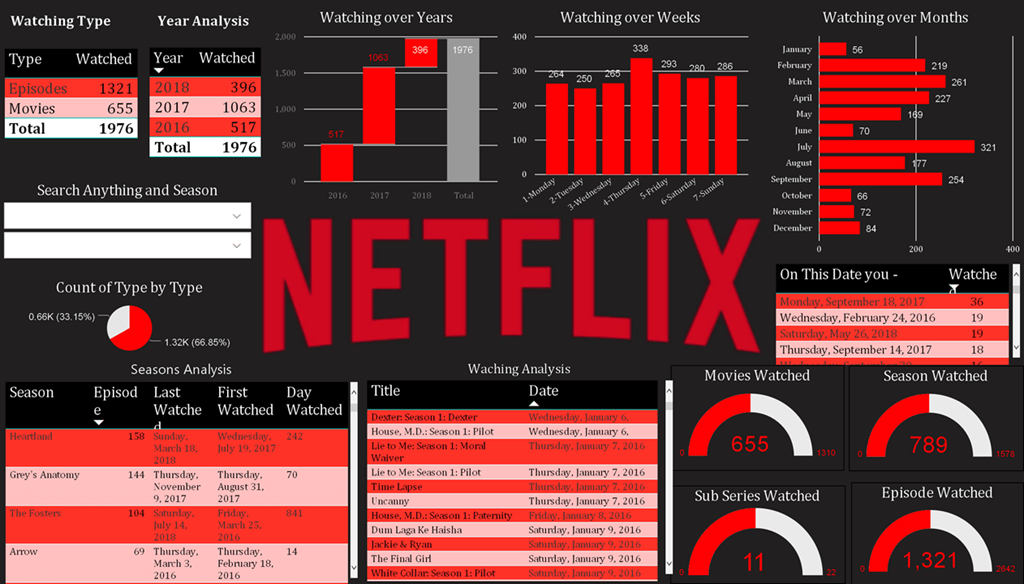
The Science Behind Netflix’s Recommendation Algorithm
Netflix’s algorithm is designed to predict what you’ll enjoy watching next. It uses machine learning, artificial intelligence (AI), and big data to analyze your behavior and preferences.
Key Factors Influencing Netflix’s Recommendations:
- Your Viewing History – What you’ve watched previously helps Netflix understand your interests.
- User Behavior – How long you watch, when you pause, rewind, or skip certain scenes.
- Ratings & Thumbs Up/Down – Your feedback on content refines recommendations.
- Genre Preferences – Categories you frequently watch, such as action, comedy, or horror.
- Similar Users’ Preferences – Netflix compares your tastes with other users who have similar watching habits.
- Time of Day & Device Usage – The platform considers when and where you watch (mobile, TV, or laptop).
- New & Popular Titles – Fresh content and trending shows/movies also influence what Netflix suggests.
Netflix’s Algorithm in Action
Netflix doesn’t rely on just one algorithm but a combination of multiple models, including:
1. Collaborative Filtering
This method analyzes user behavior to find patterns. If two users have watched and liked similar movies, Netflix assumes they have similar tastes and recommends content accordingly.
2. Content-Based Filtering
Netflix examines the attributes of a show or movie, such as its genre, cast, director, and storyline, and recommends similar content based on what you’ve previously watched.
3. Reinforcement Learning
Netflix uses AI-powered reinforcement learning to continuously improve recommendations. It experiments with different content placements and learns from user interactions to refine its suggestions.
4. Neural Networks & Deep Learning
Netflix leverages deep learning techniques to understand complex patterns in user behavior, enhancing accuracy in recommendations.
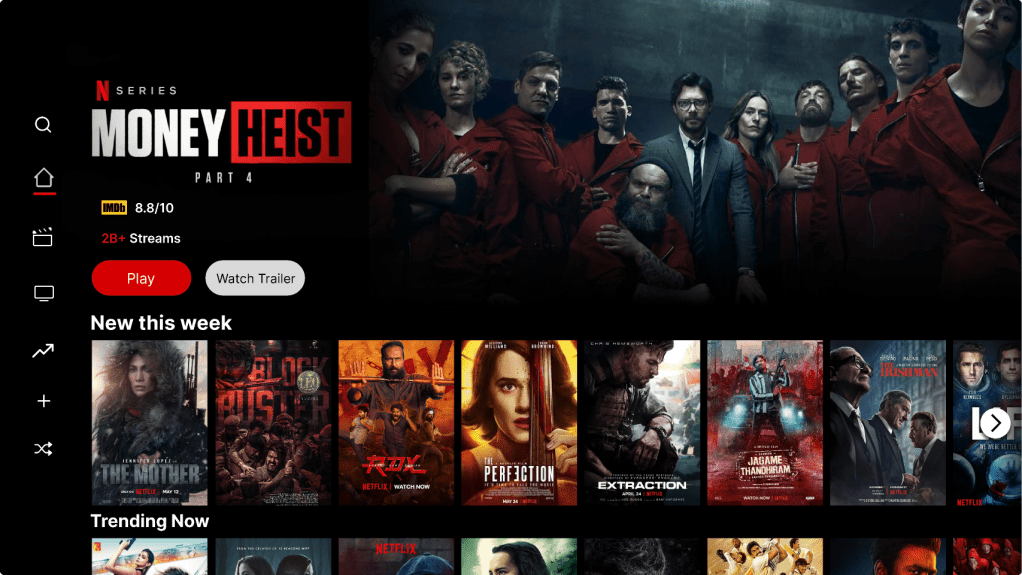
How Netflix’s Home Screen is Personalized
Ever noticed how your Netflix homepage looks different from someone else’s? That’s because the algorithm customizes your experience based on:
- Personalized Row Ranking – Rows like “Top Picks for You” and “Because You Watched…” are unique to each user.
- Thumbnail Personalization – Netflix even customizes thumbnails based on what attracts you the most. If you love a certain actor, Netflix might show their face in the thumbnail.
- Trailer & Preview Selection – The app automatically picks previews that match your interests.
Why Netflix’s Algorithm is So Effective
Netflix’s recommendation engine is estimated to drive 80% of the content watched on the platform. Its efficiency is due to: ✔ Continuous Data Collection – The algorithm is always learning from user behavior.
✔ A/B Testing – Netflix frequently tests different versions of its interface to see which performs best.
✔ No One-Size-Fits-All Approach – Every user gets a personalized experience.
✔ Avoiding the “Paradox of Choice” – Instead of overwhelming users with thousands of titles, Netflix curates a selection based on preferences.
Final Thoughts
Netflix’s recommendation algorithm is a game-changer in the streaming industry. By analyzing your viewing habits, preferences, and interactions, it delivers a highly personalized experience that keeps you engaged.
So next time Netflix suggests your next binge-worthy show, you’ll know exactly how it was chosen for you!
 Techpadd
Leave a comment